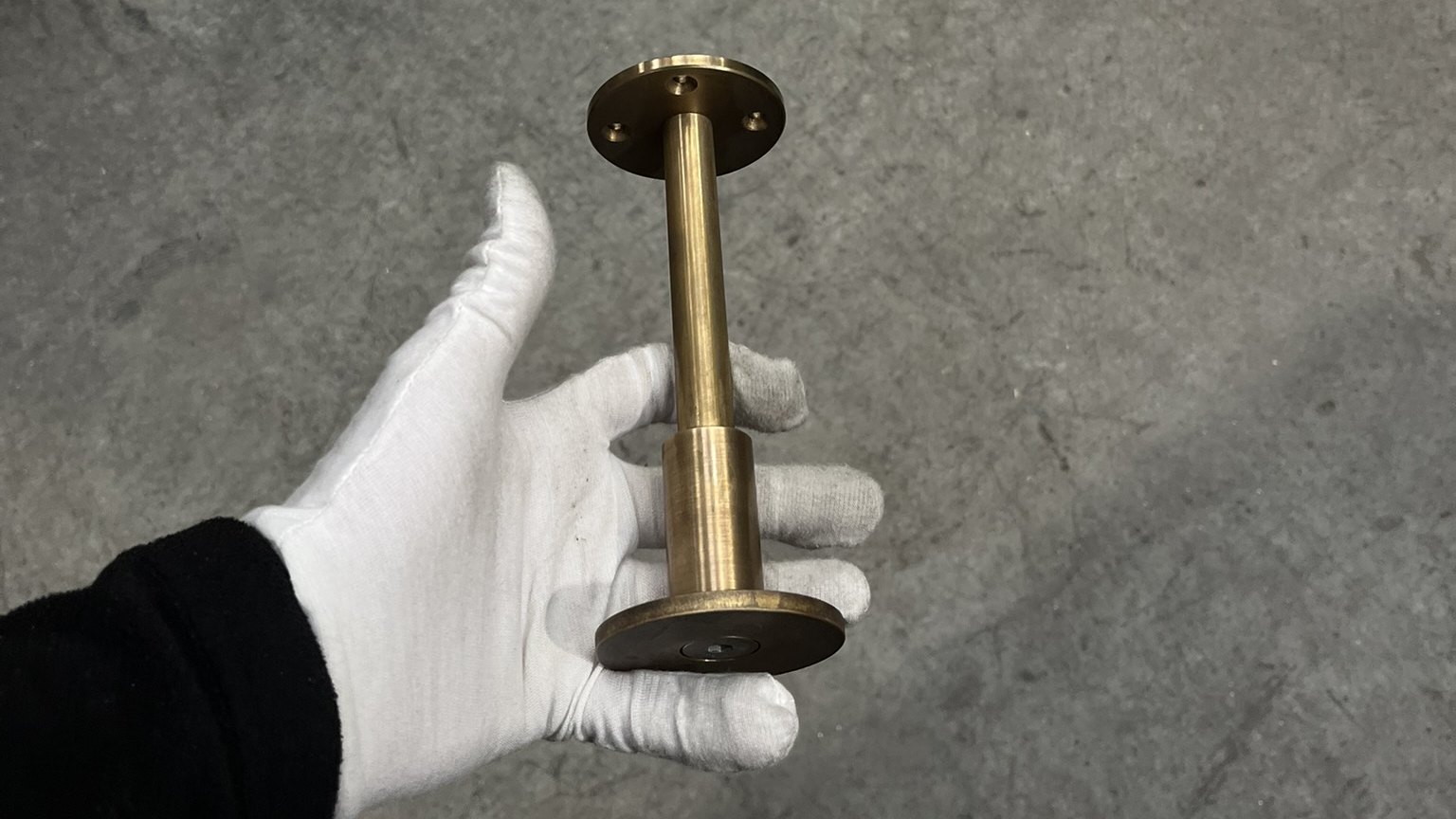
Look around the room you are sitting in and try to name the person who made anything in it. Not the brand. The person. For most of us the honest answer is nobody. The sofa, the lamp, the shelves, the mug in your hand: designed in one place, made in another, by people we will never meet, in quantities so large that no single piece could have mattered much to anyone.
That is not a complaint. Mass production has put good, useful things within reach of almost everyone, and it would be silly to pretend otherwise. But it has quietly changed what we expect from the things we live with. We expect them to be cheap, to arrive quickly and, without anyone quite saying so, to be replaced.
The numbers bear that out. A survey for the North London Waste Authority estimated that people in the UK throw away nearly 22 million pieces of small furniture a year once they are damaged, and that fewer than one in ten of us try to repair a broken item first. It is easy to let go of something nobody really made.
What handmade means here
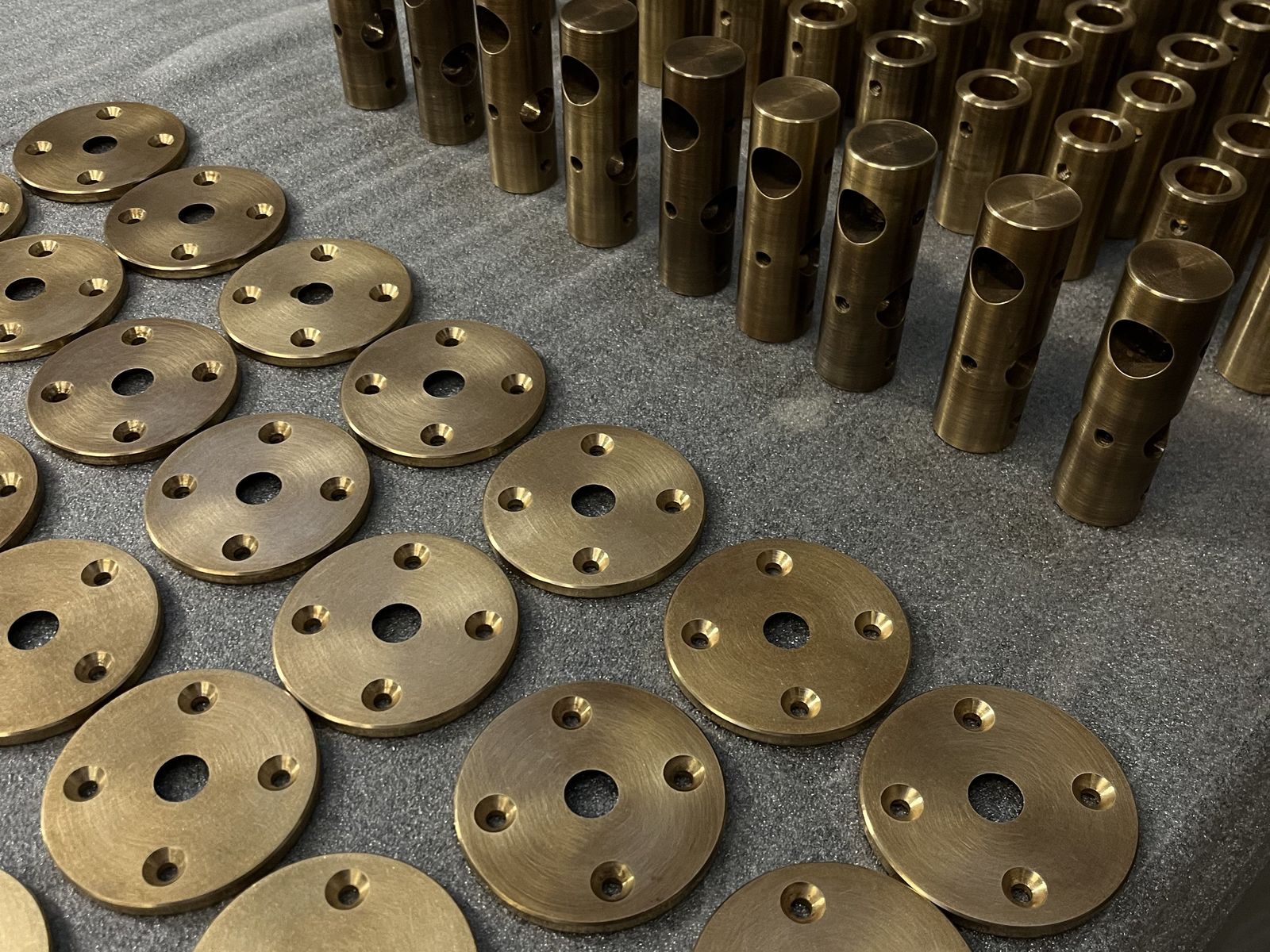
We should be straight about our own work, because “handmade” is a word that gets stretched a long way. Our shelving is not whittled with a penknife. It starts as lengths of brass bar and tube, and on its way to you it passes through a lathe and a milling machine. Machines do what machines are good at: turning a part true, boring a hole to the right size, cutting a thread cleanly.
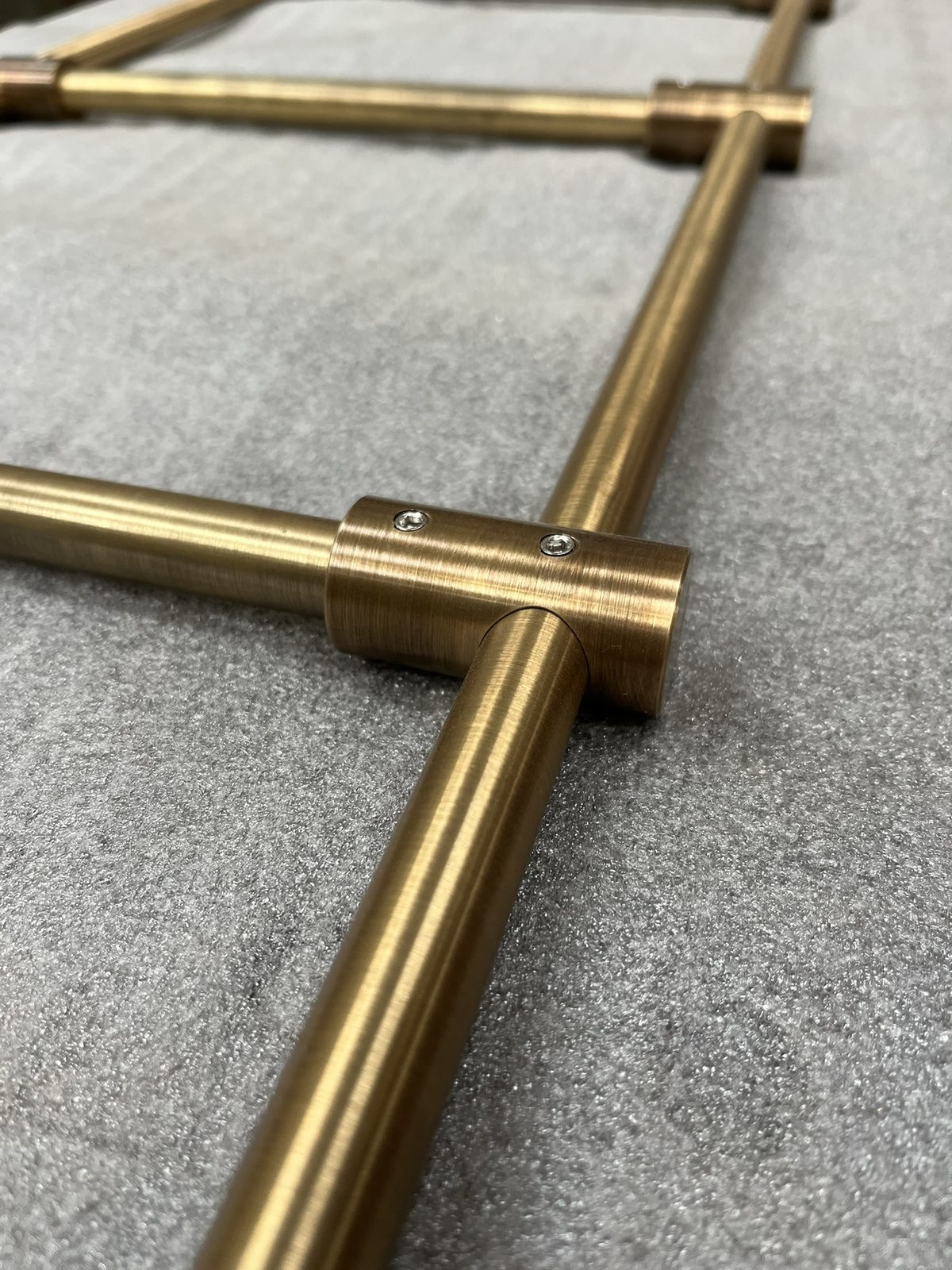
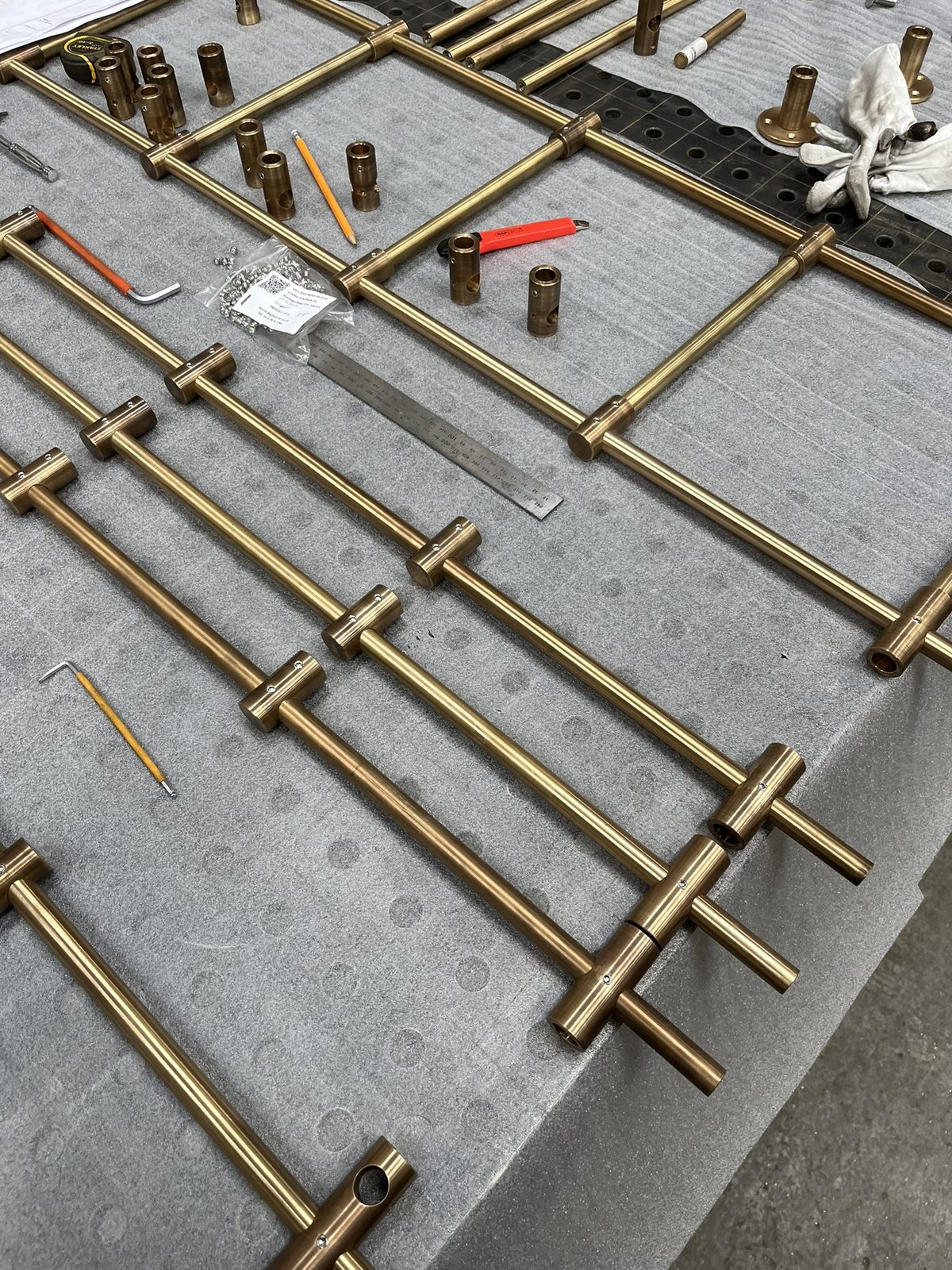
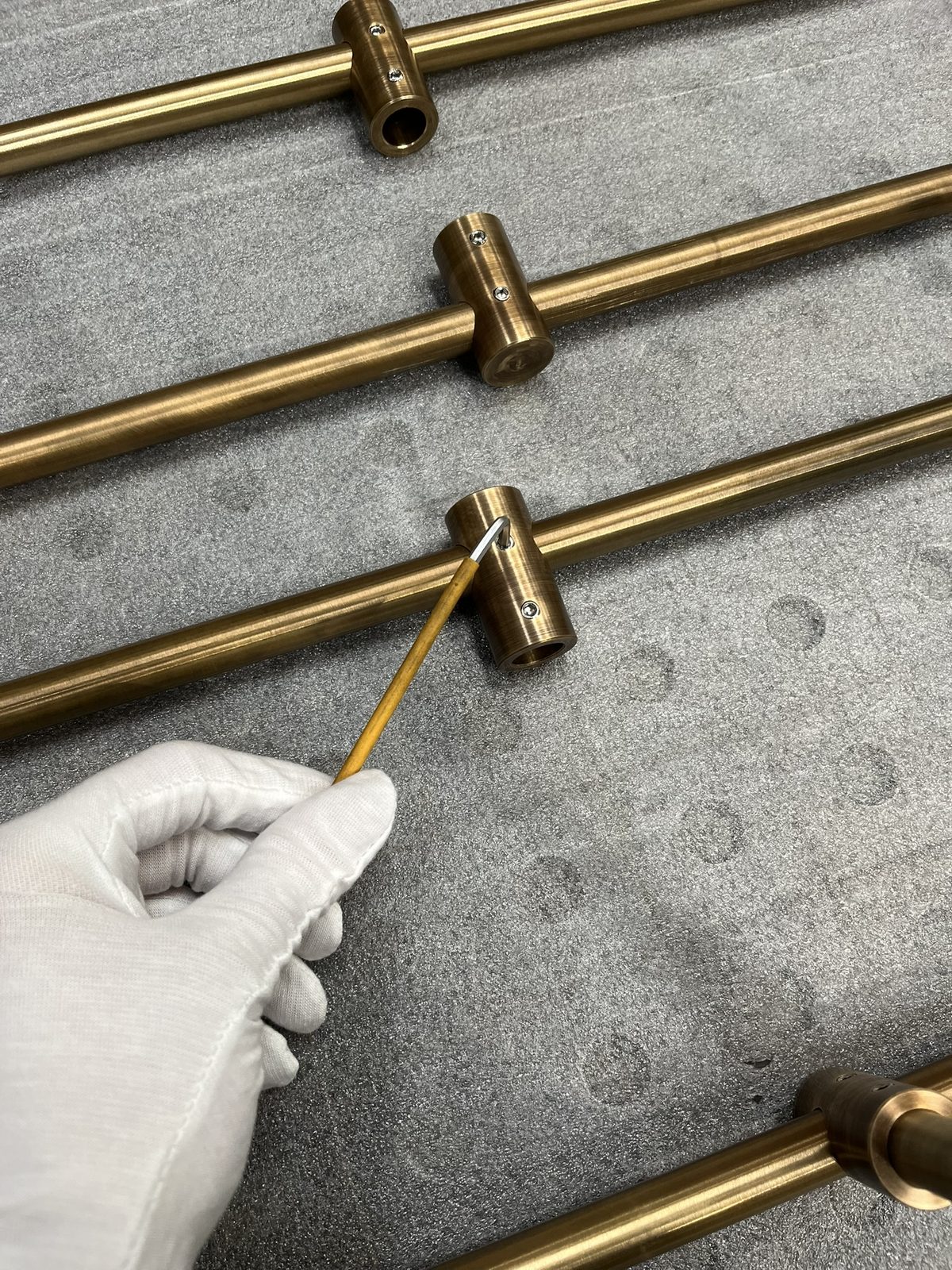
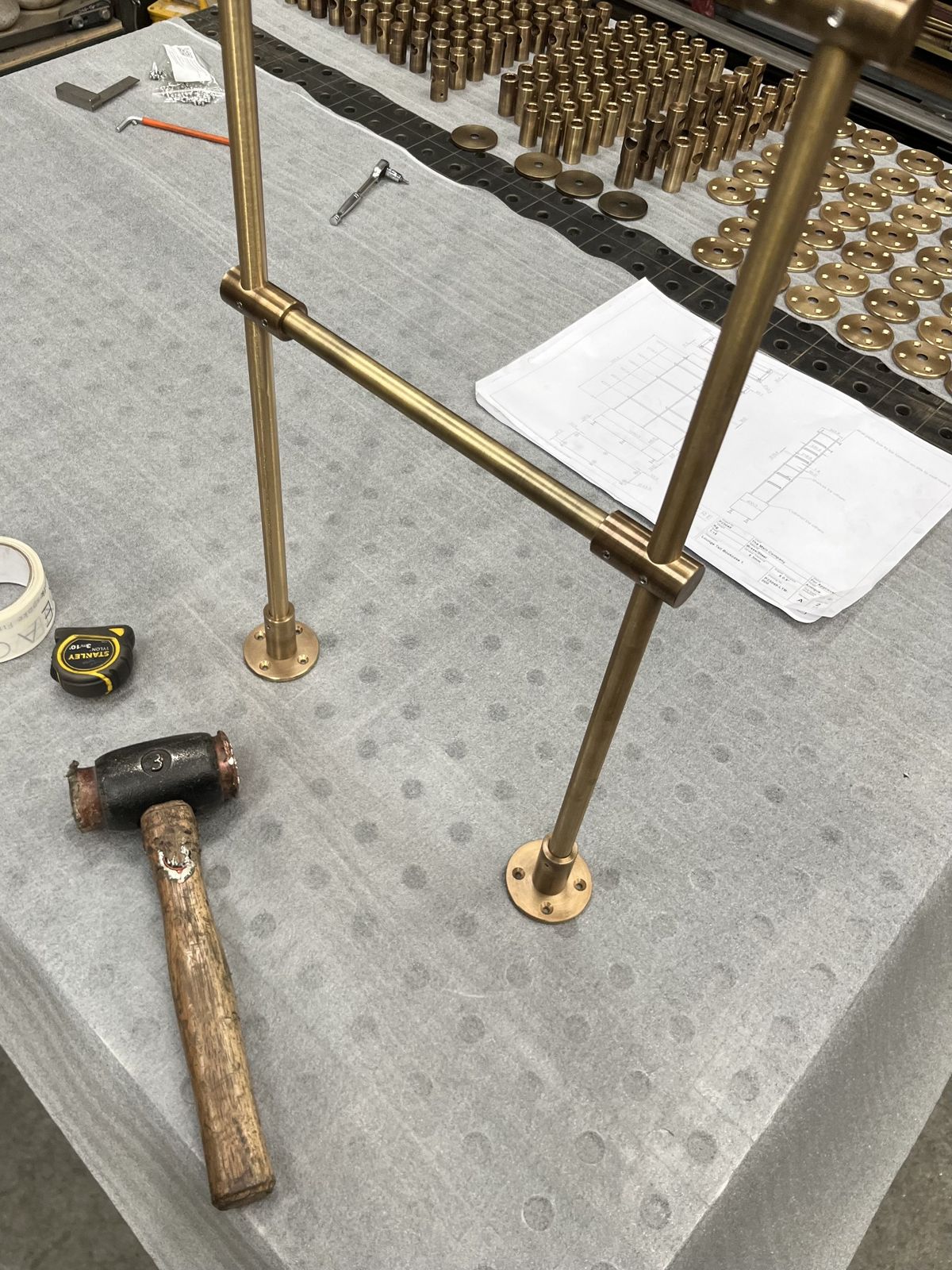
What is made by hand is everything the machines cannot judge. Somebody measures and cuts every length to the sizes you gave us. Somebody decides when a finish is right, and that decision is made by eye, under the workshop lights, one part at a time. Every system is put together on the bench before it leaves us, so that we know it goes together before you have to find out.
None of that shows up in a specification sheet. It shows up in the way a shelf sits level, in a connector that clamps tight and sits square, and in a finish that looks considered rather than applied.
Why people can feel the difference
There is good evidence that people sense this, even when they cannot put it into words.
In 2015 three researchers, Christoph Fuchs, Martin Schreier and Stijn van Osselaer, published a series of studies in the Journal of Marketing on what they called the handmade effect. People consistently preferred things described as handmade, and quality was not the main reason. A handmade object seemed to carry something of the person who made it. The word the researchers settled on was love. The effect was strongest of all when the object was a gift for someone close.
An earlier study found something similar about time. People were shown the same poem. Those told it had taken 18 hours to write rated it more highly, and thought it worth more, than those told it had taken four. Shown two paintings, people preferred whichever one they believed had taken longer. Self-described art experts were swayed just as much as everyone else.
You could read that cynically, as a trick of perception that clever brands can exploit. We read it the other way round. The time is real. When we spend a morning working out how a run of shelves should sit in an alcove that is not quite square (and almost none of them are), that morning is in the finished piece, whether or not anyone ever knows about it.
A material that grows old well
Brass suits this argument because it does not pretend. It is a natural material and it changes with time. Even sealed, as ours is, it settles over the years into something warmer and softer than the day it arrived. A shelf that has been in a kitchen for ten years will look as though it has been in a kitchen for ten years, in the way a good leather chair or an old wooden table does.
Compare that with most of what we buy now, which looks its best on the day it is unboxed and a little worse every day after. Brass also lasts. It does not swell, peel or split at a cam fitting. And because every part is made here, from our own drawings, a part that gets damaged can be made again. Being able to repair something is a quiet kind of luxury.
Why it matters more now
In 1880 William Morris gave a lecture in Birmingham called The Beauty of Life. It contains the line most of us have seen on a tea towel at some point:
Have nothing in your houses that you do not know to be useful, or believe to be beautiful. William Morris, 1880
Morris was talking to people living through the first great flood of factory goods. The Arts and Crafts movement that grew around him was, in large part, an argument that the way a thing is made is part of what it is.
That argument has more force today than it did then. Almost anything can now be produced instantly, at enormous scale, and more and more of it is designed and even pictured by software before a person has touched it. When objects are that easy to come by, the scarce thing is no longer the object. It is attention: someone deciding that this particular piece, for this particular room, deserved their care.
People seem to feel this too, and not only the people you might expect. The Crafts Council found that 73% of adults in the UK bought a piece of craft in 2019, almost 25 million objects in a single year, and that under-35s were the largest single group of buyers. That does not look like nostalgia. It looks like a generation that has grown up surrounded by stuff choosing, some of the time, to have less of it and better.
What we hope you take from it
Not that everything in your home should be handmade. That would be impractical, and expensive, and we would not believe it ourselves. But some things are worth choosing slowly: the things you use every day, see every day, and might one day pass on.
Shelving, we would argue, is one of them. It holds the objects you care about most: the books you go back to, the good glasses, the bowl you carried home from a holiday. It seems only right that the thing holding them should have been made with some care too.
If you would like to see what that looks like up close, our finish samples are made in exactly the same way as everything else we make. And if you have a space in mind, however awkward, tell us about it. The person who replies will be one of the people who makes it.
From all of us at the Brass+Co workshop, Staffordshire.